

Teeth Whitening: Understanding the Clinical Difference Between Whitening and Teeth Bleaching
Everyone desires a radiant smile, but supermarket aisles and social media feeds flood you with conflicting terms. You likely see “whitening” and “bleaching” used as synonyms. In a clinical setting, these terms describe two distinct dental processes. Choosing the wrong method often leads to tooth sensitivity or underwhelming results. You might wonder how to get white teeth safely without damaging your enamel. While “whitening” often refers to restoring surface colour, a teeth bleaching procedure involves a chemical change to the internal structure of your teeth. This guide defines both terms, explores the mechanics of professional teeth whitening treatment, and details essential bleaching before and after care.
Also Read: What is a Cavity? 5 Simple Facts You Should Know About Tooth Decay Treatment
1. Defining the Terms: Whitening vs. Teeth Bleaching
- Technically, any product that removes surface debris, such as standard toothpaste, qualifies as a whitener.
- Whitening restores the “intrinsic” colour of your teeth by removing “extrinsic” stains from the outer layer.
- Teeth bleaching describes a specific process that lightens teeth beyond their natural, original shade.
- A true teeth bleaching procedure must contain active chemicals like hydrogen peroxide or carbamide peroxide.
- Bleaching agents penetrate the porous enamel to break down deep-seated carbon bonds that cause dark discolouration.
- Abrasive products merely scrub the outside of the tooth, whereas oxidisers change the internal pigment.
- Professional teeth whitening treatment uses these oxidising agents to produce a visible, lasting change in brightness.
- Legally, “bleaching” only applies when a product contains bleach, though many people use the term “whitening” to describe both actions.
2. Understanding Tooth Discolouration: Why Teeth Turn Yellow
- Extrinsic stains sit on the surface of your enamel and originate from coffee, black tea, red wine, and tobacco.
- Intrinsic stains live deep inside the tooth structure and result from aging, specific medications, or excessive fluoride during development.
- Enamel thins naturally as you age, which reveals the yellowish dentine layer underneath the translucent surface.
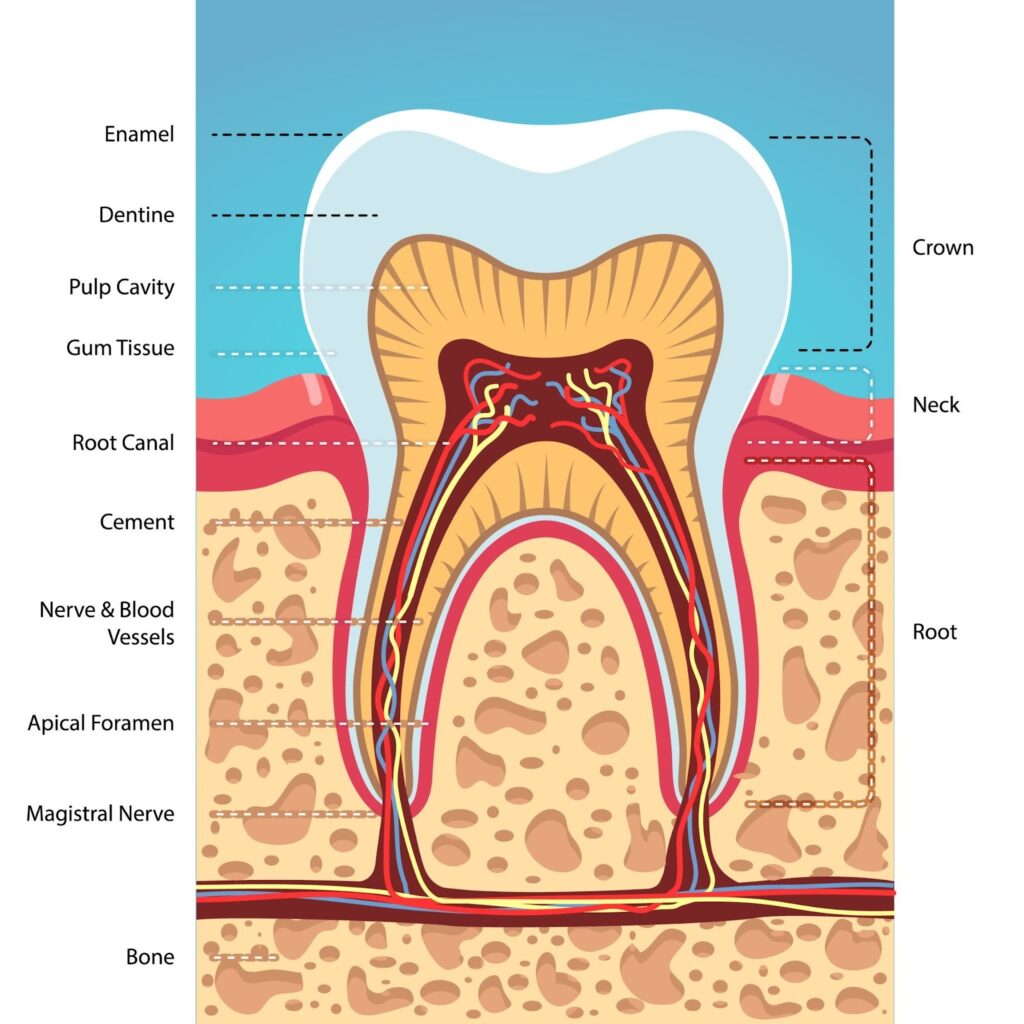
- Standard brushing and flossing cannot reach or remove these internal, intrinsic stains.
- A professional teeth bleaching procedure becomes necessary when surface cleaning no longer improves the tooth shade.
- Injury to a tooth can cause the internal pulp to die, leading to a dark grey or purple discolouration that requires internal bleaching.
- Knowing the type of stain helps your dentist choose the most effective teeth whitening treatment for your specific needs.
Also Read: What is Plaque on Teeth? 4 Signs You Need Expert Dental Plaque Treatments
3. The Mechanics of a Professional Teeth Whitening Treatment
- The dentist performs a pre-treatment assessment to check for cavities and gum disease before applying any chemicals.
- Applying high-concentration gels to decayed teeth causes intense pain and potential nerve damage.
- Clinicians apply a “liquid dam” or protective barrier to secure your soft gum tissue against chemical burns.
- Professional systems use peroxide gels with concentrations ranging from 15% to 43%.
- These clinical gels remain significantly stronger than any over-the-counter options available in shops.
- The dentist uses specialised LED or laser lights to accelerate the oxygenation process of the bleaching gel.
- This acceleration allows the treatment to provide dramatic results in a single 60-minute clinical visit.
- Professional care brightens teeth by three to eight shades, while home kits usually managed only one or two.
4. The Practical Guide: How to Get White Teeth Safely
- Avoid highly abrasive “natural” remedies like charcoal or lemon juice, as these permanently strip away your enamel.
- Enamel does not grow back once you scrub it away with harsh, unverified DIY methods.
- Dentist-prescribed custom trays offer a safe middle ground for patients who prefer to perform teeth bleaching at home.
- Custom trays fit your teeth exactly, which prevents the bleaching gel from leaking onto and irritating your gums.
- Whitening toothpastes work well as maintenance tools but lack the strength to act as primary bleaching agents.
- A dentist ensures the teeth whitening treatment stays compatible with your existing crowns, veneers, or fillings.
- Porcelain and composite materials do not respond to bleach, which can lead to uneven colours if not managed by a professional.
- Clinical guidance remains the only way to determine how to get white teeth without risking long-term sensitivity or enamel erosion.
5. Longevity and Care: Bleaching Before and After
- Schedule a professional scale and polish before your treatment to ensure the gel makes direct contact with the enamel.
- Removing plaque and tartar bleaching before and after ensures the whitening agent penetrates the tooth surface evenly.
- Follow the “white diet” for at least 48 hours following your teeth bleaching procedure.
- Avoid dark-coloured liquids like beetroot juice, soy sauce, and red wine while your enamel pores remain open.
- Temporary tooth sensitivity occurs normally and usually subsides within a few days of the treatment.
- Use desensitising toothpastes or fluoride rinses to manage any minor discomfort during the first 24 hours.
- Regular professional check-ups help maintain the brilliance of your teeth whitening treatment over several years.
- Touch-up treatments every 12 to 18 months help combat new stains from food and lifestyle habits.
Achieve a Brighter, Confident Smile at 3 Senses Clinics
Do not settle for temporary or potentially harmful DIY whitening methods that risk your enamel health. At 3 Senses Clinics, our expert dental team provides advanced teeth whitening treatment designed to deliver dramatic results with clinical precision. Whether you require a high-intensity teeth bleaching procedure or a bespoke home-care plan, we offer the safety and expertise your smile deserves. Schedule your consultation today to explore our comprehensive Dental Care services in Gurgaon. We prioritise your comfort and dental integrity to help you discover how to get white teeth that look natural, radiant, and healthy. Contact 3 Senses ENT & Dental Clinic at 0124-4253899 or email info@3sensesclinics.com to book your appointment.
Also Read: The Best Teeth Plaque Cleaner Habits and Expert Tartar Removal Explained
Frequently Asked Questions
1. What is the best way to whiten your teeth?
For the most effective and long-lasting results, a professional teeth whitening treatment at a dental clinic is the gold standard. Unlike over-the-counter kits, clinical treatments use high-concentration bleaching agents and specialised light technology to brighten teeth by multiple shades in a single visit. This remains the safest way how to get white teeth while protecting your enamel and gums from irritation.
2. What is dental whitening?
Dental whitening is a clinical process designed to remove stains and lighten the colour of your teeth. It includes both “extrinsic” whitening, which scrubs away surface stains from coffee or tobacco, and “intrinsic” teeth bleaching, which changes the internal pigment of the tooth. This procedure restores the natural brilliance of your smile and can even lighten teeth beyond their original shade.
3. How do dentists do teeth whitening?
A dentist performs a teeth bleaching procedure by first protecting your gums with a physical barrier or “liquid dam.” They apply a professional-grade peroxide gel to the tooth surfaces and often activate it with a high-intensity LED or laser light. This light accelerates the chemical reaction, allowing the oxygen to penetrate deep into the enamel to break up dark stains. The entire process typically takes about 60 to 90 minutes.
4. What is the chemical that whitens teeth?
The primary chemicals used in any professional teeth whitening treatment are hydrogen peroxide or carbamide peroxide. These are oxidising agents that travel through the porous enamel to reach the discoloured molecules inside the tooth. When these chemicals break down, they release oxygen that dissolves the carbon bonds causing the stains, effectively “bleaching” the tooth from the inside out.